Flooding can leave obvious damage behind—standing water, soaked floors, and stained walls—but one of the most dangerous consequences often stays hidden. Mold can begin growing within 24 to 48 hours after a flood, spreading silently behind walls, under flooring, and inside cabinets. If left untreated, mold can threaten both your home’s structure and your family’s health.
Understanding the risks of post-flood mold—and knowing how to prevent it—can help protect your property and guide smarter home improvement projects after water damage.
Why Mold Is So Dangerous After a Flood
Mold thrives in damp, dark environments, making flood-damaged homes especially vulnerable. Even after visible water is removed, moisture can remain trapped in:
-
Drywall and insulation
-
Subflooring and carpets
-
Cabinets and baseboards
-
HVAC systems
Without proper emergency restoration, mold can continue to grow unnoticed, causing long-term damage that goes far beyond surface repairs.
Health Risks Associated with Mold Exposure
Mold doesn’t just damage your home—it can also impact your health. Prolonged exposure may cause:
-
Respiratory problems
-
Allergy symptoms
-
Skin irritation
-
Headaches and fatigue
Children, elderly individuals, and those with asthma or weakened immune systems are especially at risk. That’s why addressing mold early is critical after any flood event.
Structural Damage Mold Can Cause
Mold feeds on organic materials found throughout your home. Over time, it can weaken:
-
Wooden framing and supports
-
Drywall and ceilings
-
Flooring materials
-
Cabinets and countertops
If structural components are compromised, house remodeling may be required to restore safety and integrity—often at a much higher cost than early intervention.
How Emergency Restoration Helps Prevent Mold
Immediate restoration is one of the most effective ways to prevent mold growth after flooding. Professional restoration includes:
-
Rapid water extraction
-
Industrial drying and dehumidification
-
Moisture detection in hidden areas
-
Removal of water-damaged materials
Quick action limits mold growth and reduces the scope of future repairs.
Remodeling After Mold and Flood Damage
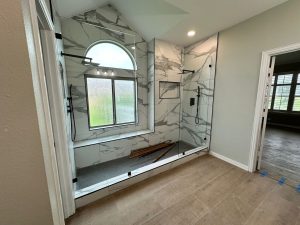
In many cases, flood damage leads homeowners to reassess their space. Post-flood home renovation can address hidden damage while improving comfort and functionality.
Common remodeling services after flooding include:
-
Replacing damaged materials through flooring services
-
Updating layouts during kitchen remodeling
-
Improving ventilation and moisture resistance
-
Upgrading finishes as part of larger home improvement projects
Thoughtful remodeling not only repairs damage—it strengthens your home against future moisture issues.
Preventing Mold in Future Flood Events
While floods can’t always be avoided, mold growth can often be prevented. Homeowners can reduce risk by:
-
Addressing leaks immediately
-
Improving drainage around the home
-
Using moisture-resistant materials during renovations
-
Maintaining proper ventilation
-
Scheduling regular inspections after storms
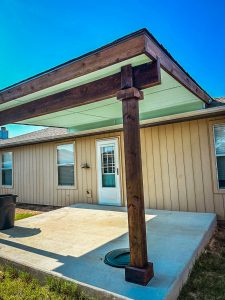
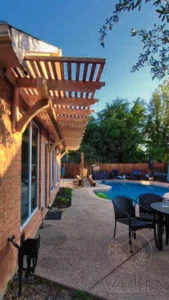
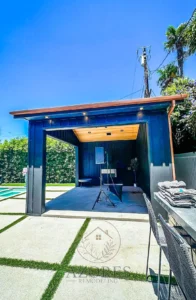
For outdoor spaces, proper grading and drainage in outdoor living areas can also help direct water away from the home’s foundation.
Trust Azores Remodeling for Flood Recovery and Prevention
Azores Remodeling helps homeowners recover safely and confidently after flood damage. From emergency restoration to full house remodeling, our team addresses both visible and hidden issues—ensuring your home is healthier, safer, and more resilient.
Whether you’re restoring damaged areas or planning long-term home improvement projects, expert guidance makes all the difference.
FAQs: Mold After Flooding
How quickly can mold grow after a flood?
Mold can begin growing within 24–48 hours if moisture isn’t properly removed.
Can mold be hidden even if my home looks dry?
Yes. Mold often grows behind walls, under flooring, and inside cabinets where moisture is trapped.
Is emergency restoration really necessary after flooding?
Yes. Emergency restoration removes moisture quickly, significantly reducing mold risk and structural damage.
Should I remodel after flood and mold damage?
In many cases, remodeling is necessary to replace damaged materials and prevent future issues—especially with flooring and kitchens.
Can remodeling help prevent mold in the future?
Absolutely. Using moisture-resistant materials and improved designs during home renovation can reduce future mold risks.
Transform your home with Azores Remodeling, your trusted partner for kitchen and bathroom renovations and other home improvements. Located at 425 Old Newman Rd, Suite 502-2 Frisco, Texas, Azores Remodeling specializes in creating stunning, functional spaces tailored to your style and needs. With a reputation for exceptional craftsmanship and attention to detail, we bring your vision to life, whether you’re looking for a sleek modern kitchen, a luxurious spa-like bathroom, or any improvements at home. Call us today at 888-789-7252 or visit our website at www.azoresremodeling.com to schedule a consultation and start your remodeling journey.