
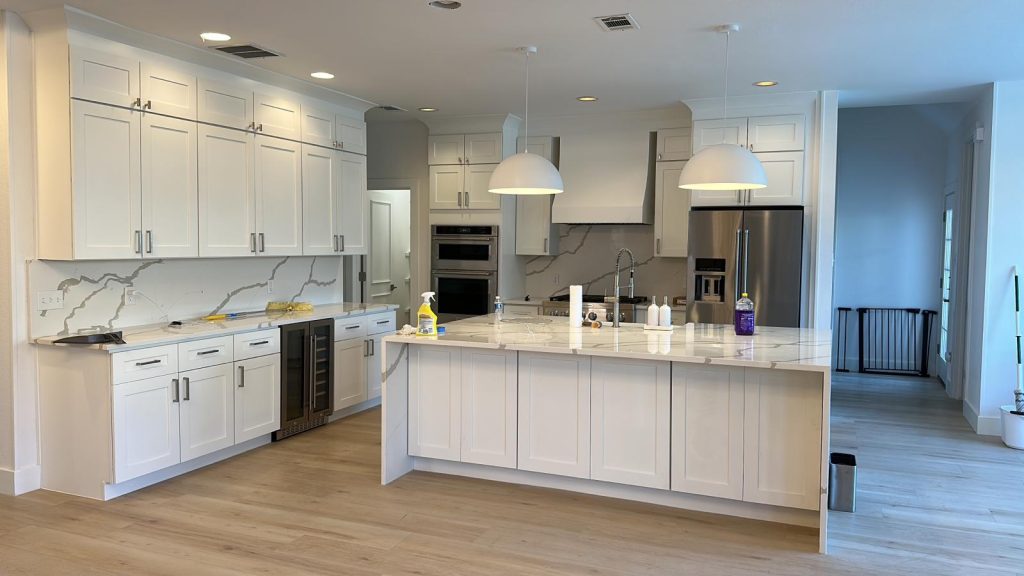
Signs Your Kitchen Needs a Remodel — A Guide for Dallas Homeowners
Most Dallas homeowners do not wake up one morning and decide to remodel their kitchen on a whim. The decision usually builds over time — a drawer that stopped closing properly, a layout that has never quite worked, cabinets that look dated no matter how clean they are. If you have been noticing more of these moments lately, your kitchen may be telling you something worth listening to. This guide walks through the most common signs that a kitchen remodel makes sense, what those signs typically mean in practical terms, and how to think about next steps if your kitchen is showing several of them at once.
The most telling signs that a Dallas kitchen needs a remodel include persistent storage and layout problems, visible wear and damage to surfaces and fixtures, outdated electrical or plumbing systems, and a design that no longer reflects how your household actually lives and cooks. Any one of these can justify an update — several of them together usually signal it is time to act.
Why Dallas Kitchens Show These Signs When They Do
A significant portion of the housing stock in Dallas and the surrounding DFW area was built between the 1970s and the late 1990s. Kitchens in these homes were designed around different appliance sizes, different cooking habits, and different expectations for what a kitchen should do. Even homes that were updated in the early 2000s are now twenty or more years removed from their last remodel. The National Association of Home Builders notes that kitchens are among the most frequently remodeled rooms in American homes, in part because they are the rooms most affected by how daily life evolves over time.
Dallas specifically adds some local variables. Hard water throughout much of the DFW area accelerates fixture and finish wear. The region’s temperature swings between seasons put stress on grout, caulk, and cabinet finishes. And the strong resale market in neighborhoods from Preston Hollow to Richardson means that an outdated kitchen has a direct effect on how a home competes when it is eventually listed. Recognizing the signs early gives you the most options for how to respond.
Signs Related to Layout and Function
The kitchen does not have enough storage for how your household actually operates
Storage complaints are one of the most consistent reasons Dallas homeowners begin thinking about a remodel. If your countertops are permanently occupied by items that have nowhere else to go, if your pantry space does not match your household’s needs, or if your cabinet layout requires moving several things to reach the one thing you actually want, the problem is usually structural rather than organizational. No amount of drawer organizers resolves a kitchen that was designed with insufficient or poorly placed storage for the way you actually use the space.
In many DFW homes built before the mid-1990s, kitchen cabinets were built to lower heights and shallower depths than current standards. Upper cabinets that stop well short of the ceiling leave usable vertical space completely untapped. Base cabinets without pull-out shelving make corner and deep storage areas nearly inaccessible. A remodel addresses these issues at the structural level rather than working around them.
The layout creates constant friction during meal preparation
Kitchen designers often reference the concept of the work triangle — the relationship between the sink, the refrigerator, and the cooking surface. When that triangle is poorly proportioned, or when traffic paths through the kitchen cut directly through the cooking zone, the kitchen becomes genuinely inefficient to work in. If two people cannot comfortably use the kitchen at the same time, if there is no landing space near the stove or refrigerator, or if the kitchen’s position in the home creates a bottleneck in your daily traffic flow, the layout itself is the problem.
Layout changes — moving an island, widening a doorway, or reconfiguring the relationship between appliances — require a full remodel rather than a cosmetic update. If your kitchen’s functional problems trace back to the layout, surface-level changes will not resolve them.
Your appliances no longer fit the space properly
Appliance sizes have changed significantly over the past two to three decades. Refrigerators, ranges, and dishwashers sold today are often larger than the cutouts designed for their predecessors. If you have replaced an appliance and found that it does not sit flush, that cabinet doors no longer clear it properly, or that the surrounding cabinetry needed to be modified to accommodate it, your kitchen was designed around specifications that no longer match what is on the market. A remodel allows the space to be configured around your current and planned appliances rather than the other way around.
Signs Related to Wear, Damage, and Age
Cabinet doors, drawers, and hardware are failing or misaligned
Cabinet hardware wears out over time — hinges lose tension, drawer slides fail, and doors that once closed cleanly begin to sit crooked or require a deliberate push to latch. In kitchens with older face-frame construction, worn joint connections can cause doors and drawer fronts to shift visibly out of alignment. Some of these issues can be addressed with hardware replacement, but when the cabinet boxes themselves show warping, water damage at the base, or structural deterioration, replacement is the more practical path.
If your cabinets are original to a home built in the 1980s or earlier, they have likely reached or passed their functional lifespan regardless of how they look on the surface. A cabinet installation and replacement as part of a broader kitchen remodel addresses both the functional and aesthetic issues at once.
Countertop surfaces are cracked, stained, or no longer sanitary
Laminate countertops from older kitchens are particularly susceptible to edge chipping, surface scratching, and delamination near sinks and high-moisture areas. Once the surface layer is compromised, cleaning becomes difficult and bacteria can harbor in cracks and separations that are nearly impossible to sanitize properly. Tile countertops with cracked grout lines present similar sanitation challenges. Stone surfaces that were not properly sealed or maintained may have absorbed stains that no longer respond to cleaning.
When countertop damage goes beyond cosmetic — when it affects your ability to maintain a clean food preparation surface — replacement is not just an aesthetic decision. It is a practical and health-related one.
Grout, caulk, and tile show persistent deterioration
In DFW kitchens, grout and caulk around backsplashes, countertop edges, and sink surrounds are under continuous stress from temperature changes, humidity cycles, and hard water mineral deposits. Grout that has darkened beyond cleaning, caulk that has separated or developed mold, and tile with hairline cracks or missing pieces are signs that the surface is past its maintenance window. Spot repairs can extend the life of a surface temporarily, but widespread grout and caulk failure throughout a kitchen is often a more economical argument for a full tile refresh as part of a remodel than for repeated piecemeal repair.
Visible water damage around the sink, dishwasher, or base cabinets
Water damage in a kitchen is one of the most important signs to act on quickly. Soft spots in the floor near the dishwasher, swollen or discolored cabinet bases under the sink, or staining on the wall behind the sink cabinet all suggest that water has been reaching surfaces it should not reach. Left unaddressed, water damage compounds — subfloor deterioration, mold growth inside cabinet bases, and eventual structural damage to the surrounding area are all possible outcomes of slow leaks that go undetected or unrepaired.
A kitchen remodel that uncovers and properly addresses water damage before installing new materials is a far better outcome than installing new cabinets over a compromised subfloor.
Signs Related to Systems and Safety
Your kitchen does not have enough electrical outlets or the right circuits for modern appliances
Kitchens in homes built before current electrical code requirements often have fewer outlets than today’s households need, outlets that are not GFCI-protected near water sources, or circuits that are not rated for the load that modern appliances draw. If you regularly rely on power strips in your kitchen, if breakers trip when multiple appliances run simultaneously, or if your kitchen has outlets that are not up to current safety standards, an electrical upgrade is overdue.
Current code requirements for kitchen circuits — including dedicated circuits for refrigerators, microwaves, and dishwashers, and GFCI protection for all countertop outlets within a specified distance of water — reflect decades of learning about residential electrical safety. A kitchen remodel is the practical opportunity to bring these systems current, since the walls are open during the renovation process anyway.
Plumbing under the sink is aging or has had repeated repairs
Older galvanized or early PVC plumbing under kitchen sinks can develop slow leaks, corrosion, and low water pressure issues that become increasingly frequent repair calls over time. If the plumbing under your sink has been repaired multiple times, if you notice reduced water pressure at the kitchen faucet, or if the drain runs slowly despite repeated clearing, the plumbing itself may need replacement rather than another repair. A remodel addresses this as part of the broader project rather than as a standalone plumbing call that leaves the surrounding cabinetry and finishes untouched.
Signs Related to Value and Lifestyle
The kitchen no longer reflects how your household actually lives
Kitchens designed in earlier decades were often conceived as separate, functional rooms — spaces for cooking that were distinct from the areas where families gathered. Many Dallas homeowners today use their kitchens as multi-purpose spaces: cooking, homework, working from home, entertaining, and everyday gathering all happen in or adjacent to the kitchen. A layout that does not accommodate this kind of use, or that physically separates the kitchen from the living areas in ways that no longer make sense for your household, is a functional mismatch that affects daily quality of life in a meaningful way.
You are planning to sell and the kitchen is the weakest room in the home
In Dallas’s competitive real estate market, the kitchen carries significant weight in how buyers perceive and value a home. A kitchen that is visibly dated, functionally limited, or in poor cosmetic condition creates a negative first impression that affects the entire showing. While return on investment varies by project scope and neighborhood, an updated kitchen consistently ranks among the renovations that have the most influence on buyer interest and offer price in the DFW market.
If you are planning to sell within the next two to three years, getting a realistic assessment of your kitchen’s current condition relative to comparable homes in your neighborhood is a worthwhile step before deciding on the scope of any update.
What to Do If Your Kitchen Is Showing Several of These Signs
If your kitchen is showing two or three of the signs above, a targeted update — new countertops, cabinet refacing, or fixture replacement — may address the most pressing issues. If your kitchen is showing five or more, a more comprehensive remodel is likely the more cost-effective path. Addressing multiple failing systems and surfaces at once, while walls and floors are already open, is almost always more efficient than staging the same work across several separate projects.
The starting point is a design consultation that gives you a realistic picture of what your kitchen needs, what your options are, and what a project would actually involve. Azores Kitchen & Bath Remodeling works with Dallas homeowners through a custom design process that begins with understanding how you use your kitchen and what is not working before any design direction is proposed.
You can learn more about kitchen remodeling services in your area through the Dallas kitchen remodeling page, the broader kitchen remodeling services overview, or the Dallas location page for contact and service area details.
Contact Azores Kitchen & Bath Remodeling to schedule a design consultation and get an honest assessment of what your kitchen needs, what your options are, and what to expect from the process.
Frequently Asked Questions
How do I know if my kitchen needs a full remodel or just minor updates?
The scope of work needed usually depends on how many systems and surfaces are involved. If the problems are cosmetic — worn finishes, dated hardware, or a backsplash you no longer like — targeted updates may be enough. If the issues include layout problems, failing cabinets, outdated electrical or plumbing, or water damage, a full remodel typically addresses everything more efficiently and cost-effectively than a series of separate repairs.
How old does a kitchen have to be before a remodel makes sense?
Age alone is not the determining factor — condition and functionality matter more. That said, kitchens in Dallas homes built before the mid-1990s are often running on original cabinetry, original electrical layouts, and original plumbing that have reached or passed their practical service life. A kitchen that has not been updated in fifteen to twenty years or more is worth evaluating for a remodel even if it still looks acceptable on the surface.
Does an outdated kitchen affect the value of my Dallas home?
Yes, in a meaningful way. The kitchen is one of the rooms buyers evaluate most carefully during a home showing. In the DFW market, a kitchen that is visibly dated or functionally limited relative to comparable homes in the area can negatively affect buyer interest and offer price. An updated kitchen consistently performs as one of the renovations with the most influence on perceived home value.
What are the most urgent kitchen problems to address?
Water damage, failing electrical systems, and plumbing issues are the most urgent because they can worsen quickly and create secondary damage or safety hazards. Cosmetic issues — worn finishes, dated hardware, and outdated style — are less urgent but affect daily enjoyment of the space and longer-term home value. Functional problems like poor layout and inadequate storage fall between the two in terms of urgency but have the biggest impact on daily quality of life.
Can I remodel part of my kitchen without doing a full renovation?
Yes, partial remodels are common and can make sense when only specific elements need attention. New countertops, cabinet replacement, or a backsplash update can each be done as standalone projects. However, if multiple elements need work simultaneously, combining them into one project is usually more efficient and less disruptive than scheduling the same work across separate visits.
How does Dallas hard water affect my kitchen over time?
Hard water throughout the DFW area leaves mineral deposits on faucets, sink surfaces, and tile over time. These deposits can permanently etch certain finish types if left unaddressed, and they accelerate the visible aging of fixtures and grout. Hard water is one of the reasons Dallas kitchens often show wear on fixtures and finishes sooner than homeowners expect, and it is worth factoring into material selection during a remodel.
What is the first step if I think my kitchen needs a remodel?
The most useful first step is a design consultation with a remodeling contractor who can assess your kitchen’s current condition, identify what needs to be addressed, and help you understand your options and realistic costs before you commit to a direction. Starting the conversation earlier than you think you need to gives you more time to make thoughtful decisions about materials, scope, and timing.
How long will I be without a functional kitchen during a remodel?
For a full kitchen remodel, the kitchen is typically out of commission for the majority of the construction phase, which runs six to twelve weeks in most DFW projects. Planning a temporary kitchen setup in another area of the home — a microwave, coffee maker, and small refrigerator — makes the experience significantly more manageable. Your contractor should give you a clear schedule so you know what to expect at each stage.