What to Expect During a Kitchen Remodel — Phases, Timeline, and Tips for DFW Homeowners
A kitchen remodel is one of the most involved home improvement projects you can take on — and one of the most rewarding. If you are planning a remodel in the Dallas–Fort Worth area, knowing what to expect before the first tool is picked up can make the difference between a smooth project and a stressful one. This guide walks you through every phase of a kitchen remodel, realistic timelines for DFW projects, and the steps you can take to keep things moving from the day you sign a contract to the day you cook your first meal in your new kitchen.
Quick Answer
A full kitchen remodel in the Dallas–Fort Worth area typically takes between six and twelve weeks from demolition to completion, depending on the scope of work, material lead times, and permit requirements. Planning and design work before construction begins adds additional time and is one of the most important phases of the entire project.
Why Timeline Expectations Matter Before You Start
Homeowners who go into a kitchen remodel without a clear picture of the process often find themselves frustrated by what feels like delays — when in reality, those pauses are a normal part of construction sequencing. Understanding the phases helps you plan around your household’s needs, arrange temporary kitchen space, and communicate effectively with your remodeling team throughout the project. In the DFW area, factors like material availability, permit processing times through the City of Dallas Development Services Department or surrounding municipal offices, and subcontractor scheduling can all affect how long your project runs. A well-organized contractor will account for these variables during the planning phase and keep you informed as the project progresses.The Kitchen Remodel Phases — What Happens and When
Phase 1: Design, Planning, and Material Selection
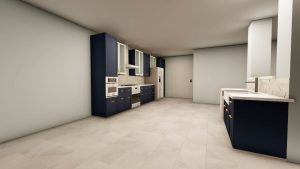
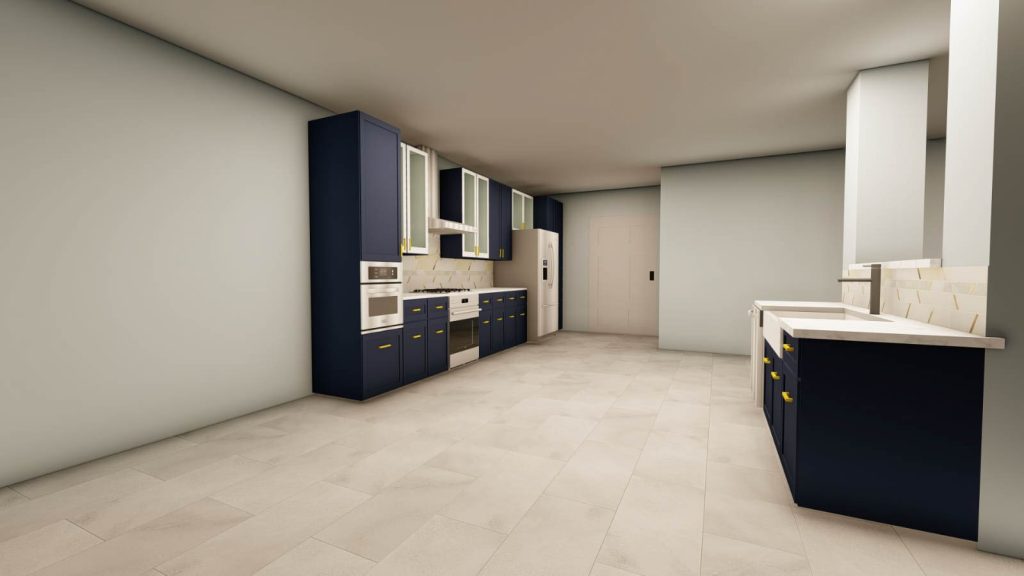
Before any physical work begins, your remodeling contractor will work with you to finalize the design, select materials, and establish a project scope. This phase includes layout decisions, cabinet selection, countertop material choices, appliance specifications, tile and flooring selections, and fixture choices. If your project involves structural changes — moving walls, relocating plumbing, or adding an island — this is where those decisions are made and documented. For DFW homeowners, this phase also involves ordering materials. Lead times on custom cabinets can range from four to twelve weeks depending on the manufacturer and current demand. Semi-custom options may arrive faster, but planning ahead is critical regardless. Starting construction before materials arrive is one of the most common causes of mid-project delays. If you are working with Azores Kitchen & Bath Remodeling, the renderings and material selection process is built into the planning phase so you can visualize your new kitchen before demolition begins. The custom design consultation is the starting point for scoping out what your project needs and how long it will realistically take. Typical duration for this phase: Two to six weeks, depending on decision speed and material lead times.Phase 2: Permits and Pre-Construction Preparation
Depending on the scope of your remodel, permits may be required before work can begin. In the City of Dallas, kitchen remodels that involve electrical work, plumbing relocation, gas line modification, or structural changes typically require permits pulled through the Dallas Development Services Department. Cosmetic updates — such as replacing cabinet doors, swapping countertops, or installing new flooring — may not require a permit, but any project involving mechanical systems, load-bearing walls, or changes to the building’s footprint generally will. Permit processing times vary. Your contractor should be able to advise you on what permits apply to your specific project and handle the application process on your behalf. If you are remodeling in Frisco, McKinney, or another DFW city rather than Dallas proper, the permitting authority and timelines will differ — each municipality operates its own building and inspection department. During this phase, you and your household should begin preparing your home for construction. Clear out the kitchen completely, establish a temporary kitchen space if needed, and discuss with your contractor how the work area will be protected from the rest of the home. Typical duration for this phase: One to three weeks, depending on permit complexity and the municipality involved.Phase 3: Demolition
Demolition is often the fastest phase of a kitchen remodel and the one that makes the scope of the project feel very real. Existing cabinets, countertops, flooring, appliances, and sometimes walls come out. Your contractor will manage debris removal and ensure that areas of the home outside the work zone are protected from dust and damage. Demolition can occasionally reveal conditions that were not visible before work began — outdated wiring, plumbing that does not meet current code, water damage behind walls, or subfloor issues. A reputable contractor will document these findings and discuss the impact on scope and timeline before proceeding. This is a normal part of remodeling older homes, particularly in established DFW neighborhoods where housing stock from the 1970s, 1980s, and 1990s is common. Typical duration for this phase: One to three days for most standard kitchen footprints.Phase 4: Rough-In Work — Plumbing, Electrical, and HVAC
Once the kitchen is cleared, any rough-in work happens before walls are closed. If your remodel involves moving the sink, adding a kitchen island with plumbing, relocating electrical panels or outlets, adding lighting circuits, or adjusting ventilation, licensed subcontractors handle these tasks before drywall goes back up. Inspections are typically required after rough-in work is complete and before walls are closed — your contractor coordinates these with the relevant municipal inspection office. This phase is one of the most important in the entire project. Rushed or skipped inspections at this stage can create serious problems during final inspections or when you eventually sell the home. A qualified remodeling contractor manages this sequencing carefully. Typical duration for this phase: Three days to two weeks, depending on the complexity of mechanical changes.Phase 5: Drywall, Flooring, and Prep Work
With rough-in inspections cleared, walls are closed, drywalled, textured, and primed. Flooring installation often happens either at this stage or after cabinet installation, depending on your material choice and your contractor’s preferred sequencing. Some installers prefer to set cabinets on the subfloor and run flooring to the cabinet base; others install flooring first. Your contractor will advise which approach suits your specific material and layout. Typical duration for this phase: Three days to one week.Phase 6: Cabinet Installation
Cabinet installation is a milestone phase — it is when your new kitchen starts to take shape visually. Cabinets are typically set in order from upper to lower, with careful attention to level and plumb throughout. Crown molding, filler pieces, and trim are fitted as installation progresses. If you are working through Azores Kitchen & Bath Remodeling’s kitchen remodeling services, your cabinet selection will have been finalized during the planning phase so delivery arrives on schedule with the installation timeline. Typical duration for this phase: Two to five days depending on kitchen size and cabinet complexity.Phase 7: Countertop Templating and Installation
After cabinets are set and fully secured, a countertop template is made — a precise measurement of the cabinet layout that is sent to the fabricator. Stone countertops such as granite and quartz are cut and fabricated off-site. The time between templating and countertop installation is typically one to two weeks depending on the fabricator’s current workload and the complexity of your edge profile and cutouts. Countertop installation itself is typically a one-day process. Once countertops are set, plumbing connections for the sink can be finalized. Typical duration from template to installed countertop: One to two weeks.Phase 8: Tile, Backsplash, and Finishing Work
With countertops in place, tile work — including backsplash installation — begins. Tile installation requires setting time and grout curing time before the area can be used, so this phase has built-in pauses between steps. Painting, if not completed earlier in the process, typically happens in this phase as well. Typical duration for this phase: Three days to one week, including curing time.Phase 9: Appliance Installation and Finish Plumbing and Electrical
Appliances are set in place, finish plumbing connections are made at the sink and dishwasher, and electrical outlets, switches, and light fixtures are completed. Hood vents and under-cabinet lighting are installed. This phase brings together all the elements that make the kitchen functional. Typical duration for this phase: One to three days.Phase 10: Final Inspection, Punch List, and Walkthrough
If permits were pulled for your project, a final inspection by the relevant municipal building department is required before the project is officially closed. Once inspections are passed, your contractor will walk the space with you to complete a punch list — the final list of minor touch-ups, adjustments, and finishing details that need attention before the project is handed off to you. The punch list walkthrough is your opportunity to flag anything that does not meet your expectations. A professional remodeling contractor treats the punch list as a standard part of the process, not an inconvenience. Typical duration for this phase: Two to five days, including inspection scheduling.Realistic Total Timeline for a DFW Kitchen Remodel
| Phase | Typical Duration |
|---|---|
| Design, planning, and material selection | 2–6 weeks |
| Permits and pre-construction prep | 1–3 weeks |
| Demolition | 1–3 days |
| Rough-in plumbing, electrical, and HVAC | 3 days–2 weeks |
| Drywall, flooring prep, and paint | 3 days–1 week |
| Cabinet installation | 2–5 days |
| Countertop templating and installation | 1–2 weeks |
| Tile, backsplash, and finishing | 3 days–1 week |
| Appliances and finish plumbing and electrical | 1–3 days |
| Final inspection, punch list, and walkthrough | 2–5 days |
| Total from demolition to completion | 6–12 weeks typical |
What Can Delay a Kitchen Remodel in DFW
Even well-planned projects encounter delays. The most common causes in the Dallas–Fort Worth area include material back-orders and long lead times on custom cabinets or specialty tile, permit processing delays during high-volume periods at municipal building departments, unforeseen conditions discovered during demolition such as water damage or outdated wiring, and scheduling gaps between subcontractors. The best protection against avoidable delays is finalizing all material selections before construction begins and working with a contractor who has an established network of reliable subcontractors in the DFW area.Tips for DFW Homeowners to Keep a Kitchen Remodel on Track
Make every material selection before demolition starts. Changes made after construction begins — sometimes called change orders — almost always extend the timeline and add cost. Lock in your cabinet style, countertop material, tile, hardware, appliances, and fixtures during the planning phase so your contractor can order everything in advance. Establish a clear communication schedule with your contractor from the start. Know who your primary point of contact is, how updates will be delivered, and what the process is for raising concerns. Good communication during a remodel prevents small issues from becoming larger ones. Plan your household around the construction schedule. If your kitchen will be out of commission for six to eight weeks, setting up a functional temporary kitchen space — a microwave, coffee maker, and mini-fridge in another room — makes daily life significantly easier during the project. Finally, build flexibility into your expectations. Construction projects in any market involve variables that are difficult to predict entirely. A contractor who is honest about realistic timelines and proactive about communicating changes is worth more than one who promises a shorter timeline they cannot deliver.When to Contact a Kitchen Remodeling Contractor in DFW
The earlier you bring a contractor into the planning process, the better your project outcomes tend to be. Many homeowners wait until they have a fully formed design idea before reaching out, but involving a remodeling professional earlier allows you to align your design vision with realistic costs, construction requirements, and material lead times before you are committed to a direction that may need to change. If you are planning a kitchen remodel in Dallas, Frisco, McKinney, or the surrounding DFW area, Azores Kitchen & Bath Remodeling offers design consultations to help you move from idea to project plan. You can also explore the full range of kitchen remodeling services to understand what each scope of work involves. Homeowners in specific DFW cities can learn more about local kitchen remodeling options through the Dallas kitchen remodeling page, the Frisco kitchen remodeling page, and the McKinney kitchen remodeling page.
Ready to start planning your kitchen remodel?
Contact Azores Kitchen & Bath Remodeling to schedule a design consultation and get a realistic picture of what your project will involve, how long it will take, and what to expect every step of the way.
Frequently Asked Questions About Kitchen Remodel Timelines in DFW
How long does a full kitchen remodel take in the Dallas–Fort Worth area?
A full kitchen remodel in DFW typically takes six to twelve weeks from demolition to final walkthrough, not including the planning and design phase that happens before construction begins. Projects with extensive structural or mechanical changes, custom materials, or complex layouts may take longer.Does the planning phase count toward the total remodel timeline?
Yes, though it is often treated separately from the construction timeline. Planning and design — including material selection, contractor agreement, and permit applications — typically adds two to six weeks before physical work begins. Homeowners who factor this in from the start are better prepared for the full duration of their project.Do I need a permit for a kitchen remodel in Dallas TX?
It depends on the scope of work. Kitchen remodels involving electrical changes, plumbing relocation, gas line work, or structural modifications typically require permits from the City of Dallas Development Services Department. Cosmetic updates that do not affect mechanical systems may not require a permit. Your contractor should advise you on what applies to your specific project and handle the permitting process.What is the most common cause of kitchen remodel delays?
The most common causes of delay in DFW kitchen remodels are material back-orders — particularly on custom cabinets — permit processing timelines, and unforeseen conditions discovered during demolition. Finalizing all material selections before construction starts and working with an organized contractor significantly reduces the risk of avoidable delays.Can I live in my home during a kitchen remodel?
Most homeowners stay in their homes during a kitchen remodel. The construction area is typically isolated from the rest of the house, and contractors take measures to limit dust and debris from spreading. Setting up a temporary kitchen space in another area of the home makes the experience more manageable during the weeks when the kitchen is out of commission.What happens if unexpected issues are found during demolition?
It is not uncommon for demolition to reveal conditions that were not visible before work began, such as water damage, outdated wiring, or plumbing that does not meet current code. A reputable contractor will stop, document the finding, and discuss the impact on scope, cost, and timeline with you before proceeding. This is a normal part of remodeling homes in established DFW neighborhoods.How do I keep my kitchen remodel on schedule?
The most effective thing you can do is finalize every material selection before construction starts. Changes made after demolition begins almost always extend the timeline. Clear and consistent communication with your contractor throughout the project also helps catch and resolve issues before they cause significant delays.When is the best time of year to remodel a kitchen in DFW?
Kitchen remodels can be completed year-round in the Dallas–Fort Worth area. Fall and winter tend to be slightly less busy periods for remodeling contractors, which can mean more scheduling flexibility. Spring and summer are typically higher-demand seasons. Regardless of timing, planning and material lead times mean you should start conversations with a contractor well before you want construction to begin.