The right flooring color can make a Dallas home feel brighter, warmer, larger, or more inviting. Although cool gray floors dominated residential design for years, many homeowners are now choosing warmer, more natural colors. Light oak, honey brown, warm greige, medium walnut, and earthy tile shades work especially well with the transitional, modern, farmhouse, and traditional homes found throughout the Dallas–Fort Worth Metroplex.
Recent design coverage shows a broader move toward natural wood tones, warm neutrals, and richer browns, although soft greige remains a versatile option. Parkay Floors highlights warm honey, natural oak, deep brown, greige, and light mid-tone oak, while Houzz documents new flooring products and design directions.
Trends can provide inspiration, but homeowners should select flooring based on the home’s lighting, layout, existing finishes, maintenance requirements, and long-term remodeling plans.
Why Flooring Color Matters
Flooring covers a large visual area, so its color influences the appearance of nearly every other element in a room. It can affect how homeowners perceive:
- Room size
- Natural light
- Ceiling height
- Furniture colors
- Cabinet finishes
- Wall paint
- Interior trim
- Overall cleanliness
- Architectural style
- Connections between adjoining rooms
The color also determines how easily dust, pet hair, scratches, and everyday debris can be seen. A beautiful sample may perform differently once installed throughout a busy home.
Professional flooring services can help homeowners compare samples under the actual lighting conditions in each room.
1. Natural Light Oak
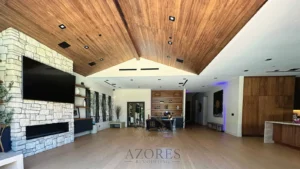
Natural light oak remains a popular choice for Dallas homes because it looks bright, comfortable, and adaptable. Rather than appearing whitewashed or heavily gray, today’s light oak colors usually preserve a soft golden or neutral undertone.
Light oak can complement:
- Cream or white walls
- Black fixtures
- Natural stone
- Warm metal finishes
- Soft green or blue accents
- Contemporary cabinetry
- Transitional furniture
- Organic modern interiors
This color is particularly effective in open floor plans because it creates a continuous neutral base without making the space feel dark.
Best Rooms for Light Oak Flooring
Light oak works well in:
- Living rooms
- Dining rooms
- Kitchens
- Hallways
- Bedrooms
- Home offices
- Open-concept spaces
Homeowners planning kitchen remodeling often pair light oak flooring with white, cream, sage, navy, or natural wood cabinets.
2. Warm Honey Brown
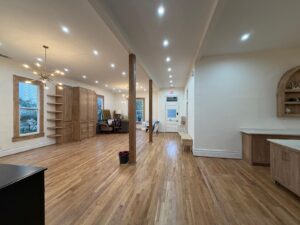
Honey-colored flooring introduces more warmth than pale oak while remaining lighter than traditional walnut or espresso. Modern honey tones are usually softer and less orange than the glossy finishes associated with older interiors.
Warm honey floors can create a welcoming appearance and pair well with:
- Creamy white walls
- Beige or taupe upholstery
- Brass fixtures
- Terracotta accents
- Green cabinetry
- Natural stone
- Dark wood furniture
- Matte black hardware
This color can work well in Dallas homes with abundant sunlight because its warm undertones remain visible throughout the day.
3. Warm Greige
Greige combines gray and beige. It offers the versatility associated with gray flooring while avoiding an overly cold or blue appearance.
Warm greige flooring may be appropriate for homeowners who want:
- A neutral foundation
- Subtle contrast with white walls
- Compatibility with warm and cool décor
- A contemporary appearance
- A transition away from traditional gray
- Flexibility for future design changes
The undertone is important. Some greige floors appear warmer in artificial light and cooler in direct sunlight. Large samples should be viewed at different times of day before making a final selection.
4. Medium Natural Brown
Medium brown flooring offers a balance between very light and very dark finishes. It creates visible contrast with light walls without making the room feel excessively heavy.
Popular medium-brown variations include:
- Natural walnut
- Chestnut
- Toasted oak
- Caramel brown
- Medium hickory
- Soft tobacco
- Warm pecan
Medium tones can hide small amounts of dust and everyday wear more effectively than extremely dark or very pale floors. They are also versatile enough to suit traditional, rustic, transitional, and contemporary homes.
5. Rich Walnut and Deep Brown
Dark brown flooring is returning as homeowners embrace warmer and more dramatic interiors. Walnut, coffee, and brunette shades can make a room feel grounded and sophisticated.
Dark floors work especially well with:
- Light walls
- Large windows
- Pale upholstery
- Cream cabinetry
- Metallic accents
- Bold artwork
- Formal furniture
- Moody interior colors
However, dark flooring may show dust, light-colored pet hair, scratches, and footprints more easily. It can also make a small or poorly lit room feel more enclosed.
Before selecting a deep brown, homeowners should evaluate the amount of natural light and the level of daily maintenance they are comfortable with.
6. Soft Beige and Sand
Soft beige flooring is practical for homeowners who want a light neutral without the cooler appearance of gray. Sand, oatmeal, and pale tan colors can make rooms feel relaxed and open.
These colors are available in several materials, including:
- Porcelain tile
- Ceramic tile
- Luxury vinyl plank
- Laminate
- Carpet
- Natural stone
- Engineered wood
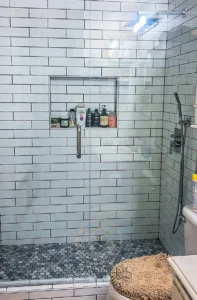
Beige floors often work well in bathroom remodeling because they coordinate naturally with cream tile, stone-look surfaces, brushed metal fixtures, and wood vanities.
7. Limestone and Travertine-Inspired Colors
Texas homes frequently feature stone, brick, and warm exterior materials. Limestone- and travertine-inspired flooring can connect interior design with the regional architecture.
Popular stone-look colors include:
- Ivory
- Cream
- Pale beige
- Warm taupe
- Sandy brown
- Soft mushroom
- Light limestone gray
Porcelain tile can reproduce the appearance of natural stone while offering consistent dimensions and a range of maintenance options. Natural stone has unique variation but may require specialized care and sealing.
These colors can work in:
- Entryways
- Bathrooms
- Kitchens
- Laundry rooms
- Mudrooms
- Covered patios
8. Terracotta and Earthy Clay
Terracotta-inspired flooring adds warmth and character. Colors range from pale clay and muted peach to rust, red-brown, and deep earthy orange.
Earthy tile colors can complement:
- Spanish-inspired homes
- Southwestern interiors
- Mediterranean design
- Rustic kitchens
- Covered patios
- Outdoor kitchens
- Warm contemporary spaces
Terracotta can create a strong design statement, so homeowners should coordinate it carefully with cabinets, paint, countertops, and adjoining flooring.
9. Charcoal and Graphite
Charcoal tile or concrete-inspired flooring creates a modern, high-contrast appearance. It may work well in bathrooms, laundry rooms, garages, workshops, and contemporary kitchens.
Dark gray flooring pairs effectively with:
- White walls
- Natural wood cabinets
- Black fixtures
- Concrete surfaces
- Stainless steel
- Minimalist furniture
- Industrial-style lighting
Although cool gray wood-look floors are less dominant than they once were, charcoal remains useful when selected intentionally for a modern or industrial design.
10. Natural Concrete Gray
Concrete gray is different from manufactured cool-gray wood flooring. It provides a straightforward, architectural look that can suit modern interiors and exterior spaces.
Professional concrete works may include:
- Surface preparation
- Grinding
- Crack repair
- Staining
- Sealing
- Polishing
- Decorative overlays
- Patio installation
Concrete color can vary depending on the mixture, surface preparation, stain, sealer, age, and lighting. A sample or test area can help set realistic expectations.
Popular Flooring Colors by Room
Different rooms have different lighting, traffic, moisture, and maintenance needs.
Kitchen – Light oak, honey brown, medium natural brown
Bathroom – Soft beige, limestone, warm greige, charcoal
Living room – Natural oak, walnut, medium brown
Bedroom – Light oak, greige, warm carpet neutrals
Entryway – Medium brown, stone beige, patterned tile
Laundry room – Greige, charcoal, stone-look neutrals
Covered patio – Sand, terracotta, concrete gray
Choosing Flooring for Kitchen Remodeling
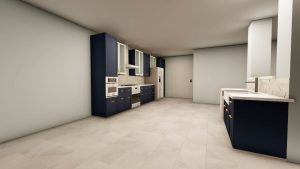
Flooring is one of the most important selections in a kitchen remodeling project. The floor should coordinate with the cabinets and countertops without making every surface look identical.
White or Cream Cabinets
Consider:
- Natural oak
- Honey brown
- Medium walnut
- Warm greige
- Terracotta accents
Wood Cabinets
Look for contrast rather than an exact match. Light floors can brighten dark cabinets, while medium or deep floors can ground pale wood cabinetry.
Painted Green or Blue Cabinets
Natural oak, warm beige, and medium brown often create a balanced, organic palette.
Flooring should also be selected for its ability to handle spills, cleaning, foot traffic, chairs, pets, and appliance movement.
Choosing Flooring for Bathroom Remodeling
Color is only one factor in a bathroom. Professional bathroom remodeling should also address waterproofing, drainage, ventilation, surface texture, and transitions.
Popular bathroom flooring colors include:
- Warm white
- Cream
- Sand
- Limestone beige
- Warm greige
- Soft taupe
- Charcoal
- Muted terracotta
Large-format tile can reduce the number of grout lines, while smaller tile may provide additional grip in certain wet areas. The appropriate product depends on where it will be installed and its intended use.
Flooring for an Open-Concept Home
Open floor plans often benefit from one continuous floor color across the kitchen, dining area, living room, and hallways. Continuity can make the space feel larger and less fragmented.
Before using one material throughout, consider whether it is suitable for:
- Kitchen spills
- Entryway moisture
- Pet traffic
- Furniture movement
- Sun exposure
- Floor-level changes
- Adjoining bathrooms
- Long-term maintenance
When different materials are necessary, coordinate their undertones. A warm oak floor may transition more naturally to beige or taupe tile than to blue-gray tile.
Coordinating Floors With Existing Finishes
Before choosing a color, collect samples of the home’s permanent finishes:
- Cabinets
- Countertops
- Backsplash
- Fireplace stone
- Brick
- Interior doors
- Trim
- Wall paint
- Built-in furniture
Place flooring samples beside these materials. A color that looks neutral in a showroom may reveal pink, yellow, green, or blue undertones inside the home.
How Lighting Changes Flooring Color
Natural and artificial light can significantly alter how flooring appears.
North-Facing Rooms
These rooms may receive cooler, indirect light. Warm oak, honey, and beige can prevent them from feeling too cold.
South- and West-Facing Rooms
Strong sunlight can intensify yellow, orange, and red undertones. Samples should be checked during the brightest part of the day.
Artificial Lighting
Warm bulbs can make flooring appear more golden, while cooler bulbs may emphasize gray or blue undertones.
Always evaluate samples in the intended room during morning, afternoon, and evening.
Which Flooring Colors Hide Dirt Best?
No color completely hides dirt, but medium tones with natural variation often conceal everyday dust and minor debris more effectively than extremely light or dark floors.
Practical options include:
- Medium natural oak
- Warm greige
- Varied hickory
- Mid-tone brown
- Stone-look beige
- Patterned tile
- Textured concrete gray
Very dark floors can show dust and light pet hair. Extremely pale floors may reveal dark debris and stains.
Color variation, grain pattern, finish, and texture can be just as important as the base color.
Matte vs. Glossy Flooring
Color appearance is influenced by the finish.
Matte Finishes
Potential advantages include:
- A natural appearance
- Less visible glare
- Reduced visibility of small scratches
- Compatibility with current organic design styles
Glossy Finishes
Potential advantages include:
- More reflected light
- A formal appearance
- Greater visual depth in certain materials
Glossy surfaces may show footprints, dust, scratches, and uneven areas more readily. They may also become slippery depending on the product and location.
Connecting Interior Flooring With Outdoor Living
Flooring and exterior hardscaping do not need to match exactly, but they should feel related. Homeowners planning an outdoor living area can create visual continuity by repeating similar undertones.
Examples include:
- Natural oak interiors with warm tan decking
- Beige tile with limestone-colored patios
- Dark brown floors with walnut-toned composite decking
- Terracotta interiors with warm stamped concrete
- Charcoal tile with modern concrete patios
Outdoor materials must still be selected for weather resistance, drainage, heat, and slip resistance. An indoor product should not be used outside unless the manufacturer approves it for that application.
Include Flooring in the Whole-Home Remodeling Plan
Homeowners using professional home remodeling services should select flooring as part of the complete design rather than treating it as an isolated decision.
Flooring can affect:
- Door clearances
- Cabinet installation
- Appliance height
- Stair transitions
- Baseboards
- Built-ins
- Bathroom thresholds
- Patio-door transitions
- Accessibility
- Construction sequencing
Coordinating these details before installation can prevent uneven transitions and unnecessary rework.
Questions to Ask a Flooring Contractor
Before approving an installation, ask:
- Is this flooring suitable for the intended room?
- What preparation does the subfloor require?
- How will moisture be evaluated?
- Will the floor expand or contract?
- What transition pieces are needed?
- Is the product appropriate for pets or heavy traffic?
- How should it be cleaned?
- What warranties apply?
- Will color vary between boxes or production batches?
- How will the flooring coordinate with future remodeling?
A dependable contractor should explain both the appearance and practical requirements of the selected product.
Choose Flooring With Azores Remodeling
Popular colors can offer inspiration, but the best flooring is the one that complements your home, supports your lifestyle, and performs appropriately in the intended space.
Azores Remodeling provides flooring services and comprehensive home remodeling services throughout Dallas and the DFW Metroplex. The team can coordinate flooring with kitchen remodeling, bathroom remodeling, concrete works, and outdoor living improvements to create a consistent design across the property.
Contact Azores Remodeling to discuss flooring colors, materials, installation requirements, and your broader renovation goals.
Located at 16135 Preston Rd 127, Dallas, Texas, Azores Remodeling specializes in creating stunning, functional spaces tailored to your style and needs.
Frequently Asked Questions
What flooring colors are popular in Dallas homes?
Natural light oak, honey brown, warm greige, medium walnut, soft beige, and earthy stone colors are popular choices. The best option depends on the home’s lighting, existing finishes, and architectural style.
Are gray floors still popular?
Warm greige and carefully selected charcoal floors remain useful, but many homeowners are moving away from cold blue-gray wood looks in favor of warmer and more natural colors.
What floor color makes a room look larger?
Light oak, pale beige, and other light neutral floors can make a room feel more open, especially when combined with light walls and consistent flooring between adjoining spaces.
What flooring color is easiest to maintain?
Medium colors with natural grain or pattern variation generally conceal everyday dust and small debris better than extremely dark or very light floors. Maintenance also depends on the material and finish.
Should flooring match kitchen cabinets?
Flooring does not need to match the cabinets exactly. A coordinated contrast often creates a more balanced design and prevents the room from looking overly uniform.
Which flooring colors work well in bathrooms?
Warm white, cream, beige, limestone, taupe, warm greige, charcoal, and muted terracotta can all work well. Slip resistance, water exposure, and cleaning requirements should guide the final selection.
Can the same flooring be installed throughout the home?
Continuous flooring can create a cohesive appearance, but the material must be suitable for each room’s moisture, traffic, and maintenance conditions.