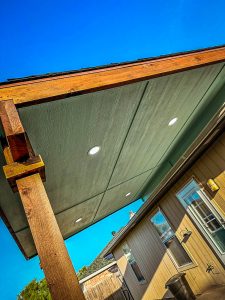
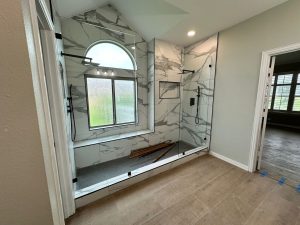
The best concrete contractors in Dallas, TX, combine careful planning, proper site preparation, quality materials, and dependable workmanship. Whether you are building a patio, replacing a cracked walkway, or adding concrete features during a larger renovation, choosing the right contractor can significantly affect the appearance and durability of the finished project.
Dallas homeowners must also consider intense summer heat, occasional freezes, expansive clay soil, and heavy storms. These conditions can place stress on outdoor concrete, making professional installation especially important.
What Services Do Concrete Contractors Provide?
Residential concrete contractors may install, repair, replace, or finish various surfaces around a property. Common concrete works include:
- Concrete patios
- Driveways and driveway extensions
- Walkways and garden paths
- Outdoor steps
- Concrete slabs
- Pool decks
- Porch floors
- Decorative concrete
- Stamped concrete
- Concrete resurfacing
- Crack and surface repairs
- Foundations for sheds or outdoor structures
Some contractors also provide related home remodeling services. Working with a remodeling company can be helpful when the concrete project is part of a new outdoor kitchen, patio cover, room addition, or complete backyard transformation.
Why Professional Concrete Installation Matters in Dallas
Concrete may look straightforward, but long-term performance depends on the work completed before and during the pour. Excavation depth, soil preparation, base material, reinforcement, drainage, concrete mixture, finishing, control joints, and curing can all influence the result.
Poor installation may lead to:
- Premature cracking
- Uneven or sunken sections
- Water pooling
- Flaking or scaling
- Weak edges
- Poor drainage
- Separation around expansion joints
- An inconsistent surface finish
- Damage near the home’s foundation
Qualified concrete contractors should inspect the site and account for how water, soil movement, foot traffic, vehicles, and outdoor temperatures may affect the proposed surface.
How Dallas Soil and Weather Affect Concrete
North Texas properties often have expansive soil that changes as moisture levels rise and fall. Soil may swell after prolonged rain and shrink during dry periods. This movement can place pressure on patios, walkways, and other concrete surfaces.
Concrete can also be affected by:
- Prolonged summer heat
- Rapid temperature changes
- Periods of drought
- Heavy rainfall
- Poor yard drainage
- Improperly directed roof runoff
- Occasional freezing conditions
- Tree roots near the installation area
No contractor can guarantee that outdoor concrete will never develop a crack. However, appropriate site preparation, reinforcement, joint placement, drainage planning, and curing can reduce avoidable problems.
Qualities of the Best Concrete Contractors in Dallas
Local Experience
A contractor familiar with Dallas-area properties should understand regional soil conditions, weather patterns, drainage concerns, and common construction styles. Local experience can help the contractor recommend an installation method suited to the property.
A Detailed Site Evaluation
The contractor should inspect the location before providing a final proposal. The evaluation may cover:
- Existing concrete condition
- Soil stability
- Property grading
- Drainage patterns
- Access for equipment
- Nearby foundations and structures
- Tree roots
- Expected use of the surface
- Desired dimensions and finish
- Removal and disposal requirements
A careful assessment helps uncover conditions that could change the project’s scope or cost.
Clear Written Estimates
A professional estimate should describe the work being proposed. Depending on the project, it may include:
- Surface dimensions and thickness
- Excavation and grading
- Base preparation
- Reinforcement
- Concrete strength or mixture
- Decorative finishes
- Control and expansion joints
- Removal of existing materials
- Cleanup and disposal
- Estimated schedule
- Payment terms
- Warranty information
Homeowners should compare the scope of each estimate instead of looking only at the final price. A less expensive proposal may exclude necessary preparation or disposal.
Appropriate Insurance and Credentials
Ask prospective contractors about the insurance, registrations, permits, and other credentials relevant to the project. Requirements can vary according to the type and location of the work.
Contractors should be willing to explain which approvals are needed and who is responsible for obtaining them.
A Relevant Project Portfolio
Review completed projects similar to yours. A contractor experienced with basic driveways may not necessarily specialize in decorative patios or complex outdoor living projects.
When reviewing a portfolio, look for:
- Consistent finishes
- Clean borders and transitions
- Logical joint placement
- Even steps and walkways
- Appropriate drainage slopes
- Decorative patterns that suit the home
- Smooth integration with surrounding landscaping
Questions to Ask Before Hiring a Concrete Contractor
Before approving a project, ask:
- How much experience do you have with residential concrete in Dallas?
- What site preparation will this project require?
- What thickness and reinforcement do you recommend?
- How will you manage drainage and surface slope?
- Will existing concrete be removed and hauled away?
- Are permits or inspections required?
- How will control and expansion joints be placed?
- What curing process will you use?
- When can the new surface be walked or driven on?
- What is included in the written estimate?
- What warranty applies to the workmanship?
- Do you handle related remodeling and outdoor construction?
The contractor should provide understandable answers and explain how the recommendations relate to your property.
Popular Residential Concrete Projects
Concrete Patios
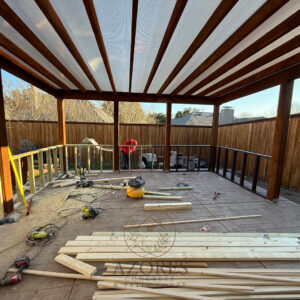
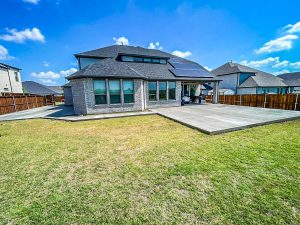
A concrete patio can create a durable foundation for dining, entertaining, and relaxing outdoors. It may also support additional features such as:
- Patio furniture
- Pergolas
- Fire pits
- Outdoor kitchens
- Grills
- Seating walls
- Shade structures
- Decorative lighting
The patio should have an appropriate slope so rainwater moves away from the home without collecting in the yard.
Driveways
Driveways must support more weight than most residential patios and walkways. Proper thickness, reinforcement, subgrade preparation, and curing are especially important.
Homeowners may consider driveway replacement when they notice widespread cracking, severe settlement, drainage problems, or extensive surface deterioration.
Walkways
Concrete walkways can provide safe paths between driveways, entrances, patios, gardens, and backyard structures. A well-planned walkway should complement the home while avoiding abrupt elevation changes and areas where water collects.
Concrete Steps
Steps require accurate dimensions and a stable base. Uneven riser heights, inadequate landings, and slippery finishes may create safety concerns. Professional installation helps create more consistent and practical access.
Decorative and Stamped Concrete
Stamped concrete can imitate stone, brick, slate, or other materials. Color and texture options allow homeowners to coordinate new surfaces with exterior brick, siding, landscaping, or outdoor structures.
Decorative finishes require additional skill and timing. Ask to see examples before choosing a contractor for this type of work.
Concrete Patio vs. Wood or Composite Deck
A patio and a deck can both expand a home’s usable outdoor space, but they have different characteristics.
| Feature | Concrete patio | Wood or composite deck |
|---|---|---|
| Typical placement | At or near ground level | Ground level or elevated |
| Maintenance | Cleaning and occasional sealing or repair | Depends on the decking material |
| Design options | Smooth, broom-finished, stained, or stamped | Multiple board styles and colors |
| Site needs | Stable base and suitable grading | Footings and structural framing |
| Water management | Requires proper surface slope | Water passes between deck boards |
| Common uses | Dining, grills, seating, and fire pits | Elevated or ground-level entertaining |
The right choice depends on the yard, door elevation, drainage, design preferences, maintenance expectations, and project budget.
Repairing vs. Replacing Existing Concrete
Not every crack requires complete replacement. A contractor should evaluate the cause and extent of the damage before recommending a solution.
Repair May Be Appropriate When:
- Cracks are limited and stable
- Damage affects only a small area
- The slab remains generally level
- Surface deterioration is minor
- The underlying base is still sound
Replacement May Be Better When:
- Several areas have settled
- Large sections are uneven
- Cracks continue to widen
- Water flows toward the home
- The slab has extensive scaling or deterioration
- Previous repairs repeatedly fail
- The concrete no longer supports its intended use
Cosmetic repairs may improve appearance without correcting soil movement or drainage. The underlying cause should be addressed whenever possible.
How Concrete Supports Outdoor Living Projects
Concrete often serves as the foundation for a larger outdoor living design. A well-planned surface can connect the home to patios, kitchens, seating areas, walkways, gardens, and other backyard features.
Before installation, consider where you may eventually place:
- A patio cover
- An outdoor kitchen
- A pergola
- Built-in seating
- A fire feature
- A grill station
- Electrical outlets
- Landscape lighting
- Drainage lines
- Future walkways
Planning these elements early may help prevent cutting or altering newly installed concrete later.
Coordinating Concrete With Home Remodeling
Concrete improvements are sometimes part of a wider home remodeling project. For example, a homeowner may renovate the kitchen while creating a connected outdoor dining area. Another project might combine a bathroom addition with new exterior walkways and steps.
Choosing a remodeling company that can coordinate multiple trades may simplify projects involving:
- Interior and exterior flooring transitions
- New doors leading to a patio
- Outdoor kitchens
- Room additions
- Patio covers
- Plumbing or electrical features
- Concrete slabs
- Exterior stairs and walkways
Coordination helps ensure the concrete elevation, drainage, and dimensions align with the rest of the renovation.
Concrete and Flooring Services
Concrete may also be used as a finished flooring surface in garages, workshops, covered patios, and some interior spaces. Depending on the application, professional flooring services may include:
- Concrete preparation
- Surface grinding
- Crack repair
- Staining
- Sealing
- Coating installation
- Decorative overlays
- Transition planning
The condition and moisture level of the slab should be evaluated before installing coatings, tile, vinyl, or other flooring materials.
Concrete During Kitchen and Bathroom Remodeling
Concrete work can also support kitchen remodeling and bathroom remodeling projects. New or relocated walls, plumbing changes, accessibility modifications, and additions may require alterations to an existing slab.
Before cutting or modifying concrete, contractors should evaluate the location of plumbing, electrical lines, reinforcement, and structural components. Proper coordination can help prevent unnecessary damage and costly corrections.
Warning Signs of an Unreliable Contractor
Be cautious if a contractor:
- Provides only a vague verbal estimate
- Cannot explain the preparation process
- Recommends pouring over an unstable surface without evaluation
- Avoids questions about insurance
- Does not discuss drainage
- Demands full payment before work begins
- Offers an unrealistic guarantee against every crack
- Cannot provide examples of comparable projects
- Does not explain curing or use restrictions
- Pressures you to make an immediate decision
Professional contractors should communicate clearly and give homeowners enough information to compare options confidently.
Why Choose Azores Remodeling for Concrete Works?
Azores Remodeling helps Dallas-area homeowners improve indoor and outdoor spaces through coordinated construction and renovation services. The company’s capabilities include concrete works, outdoor improvements, flooring services, kitchen remodeling, bathroom remodeling, and broader home remodeling projects.
Working with a full-service remodeling team can be especially valuable when concrete is one part of a larger project. Instead of treating the patio, walkway, flooring, or addition as an isolated feature, the project can be planned around the appearance and function of the complete property.
Contact Azores Remodeling to discuss your concrete project and request an evaluation for your Dallas, TX, home.
Frequently Asked Questions
What should I look for in concrete contractors?
Look for local experience, appropriate insurance, detailed written estimates, clear preparation methods, relevant project examples, and understandable warranty terms. The contractor should also evaluate drainage, grading, and soil conditions.
How long does a concrete project take?
The schedule depends on project size, demolition, site access, weather, finish, and curing requirements. The contractor should explain both the installation timeline and how long you must wait before using the surface.
Will a new concrete patio crack?
Concrete can develop cracks as it cures or responds to soil and temperature changes. Proper preparation, reinforcement, joint placement, drainage, and curing can help manage cracking, but no responsible contractor should promise that outdoor concrete will never crack.
Is stamped concrete suitable for Dallas patios?
Stamped concrete can be a practical decorative option when properly installed and maintained. Homeowners should consider surface texture, color, heat exposure, drainage, sealing needs, and slip resistance.
Should damaged concrete be repaired or replaced?
Small, stable cracks and limited surface damage may be repairable. Replacement may be more appropriate when the slab has extensive settlement, widespread cracking, poor drainage, or serious deterioration.
How should a concrete patio drain?
A patio should generally slope away from the home toward an appropriate drainage area. The exact design depends on the property’s grading, surrounding structures, soil conditions, and local requirements.
Can Azores Remodeling coordinate concrete with other renovations?
Yes. Concrete can be coordinated with outdoor living improvements, flooring services, kitchen remodeling, bathroom remodeling, and whole-home renovation plans.
Located at 16135 Preston Rd 127, Dallas, Texas, Azores Remodeling specializes in creating stunning, functional spaces tailored to your style and needs.