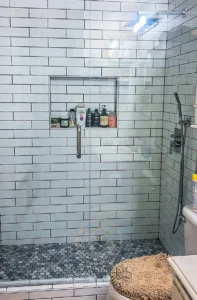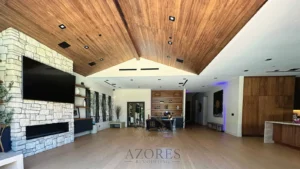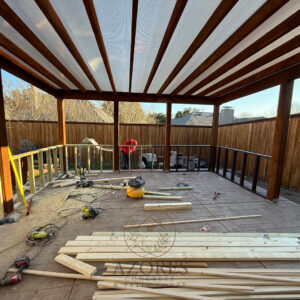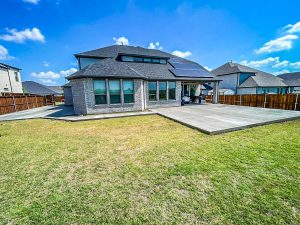
Choosing the right flooring is especially important for Texas homes, where plumbing leaks, spills, humidity, and moisture tracked indoors can damage vulnerable materials. Waterproof and water-resistant floors offer practical protection for kitchens, bathrooms, laundry rooms, entryways, and other busy spaces. With professional flooring services from Azores Remodeling, Dallas homeowners can select a material that balances durability, appearance, comfort, and maintenance.
Not every product labeled “waterproof” performs the same way. Some materials resist surface moisture but may still allow water to reach the subfloor through seams or perimeter gaps. Understanding these differences can help you make a smarter investment during your next home remodeling project.
Waterproof vs. Water-Resistant Flooring
Waterproof and water-resistant are often used interchangeably, but they do not always mean the same thing.
Waterproof flooring is made from materials that generally will not swell, warp, or break down when exposed to water under normal conditions. Luxury vinyl and porcelain tile are common examples.
Water-resistant flooring can tolerate occasional spills and limited moisture, but prolonged exposure may eventually cause damage. Many laminate and engineered hardwood products fall into this category.
Even when the surface material is waterproof, the entire floor assembly may not be. Water can still enter through:
- Unsealed edges
- Improperly finished transitions
- Wall perimeters
- Floor penetrations
- Damaged grout
- Poorly installed seams
- Gaps around plumbing fixtures
Professional installation helps protect both the finished floor and the subfloor underneath it.
Why Waterproof Floors Work Well in Dallas Homes
Dallas properties face several moisture-related challenges. Air-conditioning systems may produce condensation, severe storms can reveal exterior leaks, and plumbing failures can quickly spread water across a room.
Waterproof floors are useful in areas such as:
- Bathrooms
- Kitchens
- Laundry rooms
- Mudrooms
- Entryways
- Basements
- Utility rooms
- Pet areas
- Pool-adjacent spaces
- High-traffic commercial areas
They can also simplify routine cleaning and reduce anxiety about minor spills. However, waterproof flooring cannot prevent damage caused by flooding, hidden plumbing leaks, or moisture trapped beneath the floor. Those problems require prompt professional attention.
1. Luxury Vinyl Flooring
Luxury vinyl flooring is one of the most popular waterproof options for Dallas homes. It can reproduce the look of wood, stone, or tile while providing a durable surface that is relatively easy to maintain.
Common formats include luxury vinyl plank and luxury vinyl tile. Many products use a waterproof core that does not absorb moisture like traditional wood-based materials.
Advantages of Vinyl Flooring
- Available in many colors and patterns
- Comfortable underfoot compared with ceramic tile
- Suitable for kitchens, bathrooms, and laundry rooms
- Resistant to ordinary spills
- Relatively easy to clean
- Can resemble hardwood or natural stone
- Works with many interior design styles
Considerations
Vinyl should be installed over a clean, smooth, and dry subfloor. Imperfections beneath the material may become visible or affect locking connections. Heavy furniture and sharp objects can also scratch or dent certain products.
The quality of vinyl varies considerably, so homeowners should compare wear-layer thickness, construction, texture, warranty terms, and installation requirements.
2. Porcelain Tile Flooring
Porcelain tile flooring is a durable choice for rooms regularly exposed to water. Because porcelain is manufactured at high temperatures and absorbs very little moisture, it performs well in bathrooms, kitchens, entryways, and other demanding spaces.
Porcelain tile is available in designs resembling:
- Natural stone
- Marble
- Concrete
- Hardwood planks
- Decorative patterns
- Traditional ceramic tile
Advantages of Porcelain Tile
- Highly resistant to moisture
- Durable under heavy foot traffic
- Easy to clean
- Available in many styles
- Suitable for indoor and outdoor applications when properly rated
- Resistant to many scratches and stains
Considerations
Tile can feel hard and cool underfoot. It also requires a stable, properly prepared base. Movement or defects beneath the tile may contribute to cracking.
Although porcelain itself is highly water-resistant, grout and perimeter joints need correct installation and maintenance. Appropriate waterproofing beneath tile is especially important in showers and other consistently wet areas.
3. Ceramic Tile
Ceramic tile is another practical choice for moisture-prone spaces. It is usually more affordable than many porcelain products and comes in numerous colors, shapes, and finishes.
Ceramic works well for bathroom floors, kitchen backsplashes, and other residential surfaces. However, it may be more porous and less dense than porcelain, depending on the product.
Homeowners should confirm that the selected tile is rated for flooring rather than walls. Slip resistance is also important in bathrooms, laundry rooms, and entryways.
4. Waterproof Laminate Flooring
Traditional laminate is vulnerable to water because its wood-based core may swell after absorbing moisture. Newer waterproof or water-resistant laminate products provide improved protection through denser cores, sealed locking systems, and protective surface coatings.
Advantages of Waterproof Laminate
- Realistic wood appearance
- Scratch-resistant surface
- Comfortable feel
- Often more affordable than natural hardwood
- Available in many plank sizes and finishes
Considerations
Product specifications matter. Some manufacturers provide waterproof protection only for a limited period or under specific conditions. Standing water should still be removed quickly.
Installation must follow the manufacturer’s requirements, including perimeter spacing and seam preparation. Using the wrong underlayment or installation method may affect performance and warranty coverage.
5. Concrete Flooring
Concrete is a strong option for contemporary interiors, garages, workshops, utility spaces, patios, and other demanding areas. Professional concrete services can transform an ordinary slab through polishing, staining, sealing, resurfacing, or decorative coatings.
Advantages of Concrete Floors
- Durable and long-lasting
- Suitable for heavy traffic
- Compatible with modern and industrial designs
- Available in polished, stained, or coated finishes
- Easy to maintain when properly sealed
- Does not warp like wood-based flooring
Considerations
Concrete is naturally porous unless it is appropriately treated. Cracks, joints, and penetrations can also allow moisture to move through the slab.
Before applying a finish, contractors should evaluate:
- Existing cracks
- Surface contamination
- Moisture-vapor conditions
- Previous coatings
- Slab levelness
- Drainage around the property
Concrete can be moisture-tolerant, but a coating placed over an unsuitable or damp slab may peel, bubble, or delaminate.
6. Natural Stone Flooring
Natural stone can provide a distinctive, high-end appearance in bathrooms, kitchens, entryways, and living areas. Popular options include granite, slate, travertine, and marble.
Stone varies in density and porosity. Some types require regular sealing to resist water and staining. The grout and setting materials also need proper installation.
Natural stone may be a good choice when homeowners value unique patterns and long-term beauty, but it generally requires more maintenance than porcelain tile or luxury vinyl.
7. Engineered Hardwood Flooring
Many homeowners prefer the warmth and character of hardwood flooring. Traditional solid hardwood, however, can expand, cup, or warp when exposed to excessive moisture.
Engineered hardwood is more dimensionally stable because it is constructed from multiple layers. Some newer products include water-resistant cores or protective surface treatments.
Advantages of Engineered Hardwood
- Authentic wood surface
- Warmer appearance than tile
- More stable than solid hardwood
- Available in numerous species and finishes
- Suitable for many living spaces
Considerations
Engineered hardwood should generally be treated as water-resistant rather than completely waterproof unless the manufacturer specifically states otherwise. Spills should be cleaned promptly, and installation in consistently wet rooms may not be recommended.
Homeowners should review the product warranty and approved installation locations before choosing engineered wood for kitchens or entryways.
Is Solid Hardwood Waterproof?
No. Natural solid hardwood is not waterproof. Water exposure can cause swelling, staining, cupping, and finish damage.
Hardwood may still be suitable for living rooms, bedrooms, dining rooms, and other relatively dry areas. Proper indoor humidity control and quick spill cleanup can help protect it.
If you want the look of wood in a moisture-prone room, wood-look porcelain tile or waterproof vinyl flooring may provide a more practical alternative.
Best Flooring for Bathrooms
Bathrooms need materials capable of handling splashes, humidity, and occasional standing water.
Popular choices include:
- Porcelain tile
- Ceramic tile
- Luxury vinyl tile
- Waterproof vinyl plank
- Natural stone with appropriate sealing
Correct waterproofing beneath the visible floor is essential, particularly around showers, tubs, toilets, and plumbing penetrations. A beautiful surface alone cannot compensate for inadequate preparation.
Slip resistance should also be considered. Highly polished surfaces may become slippery when wet.
Best Flooring for Kitchens
Kitchen flooring must handle spills, dropped objects, food stains, chair movement, and frequent foot traffic.
Strong options include:
- Luxury vinyl plank
- Porcelain tile
- Ceramic tile
- Sealed concrete
- Waterproof laminate
- Selected engineered hardwood products
Comfort matters in kitchens because people often stand for extended periods. Vinyl may feel softer than tile or concrete, while tile may offer greater resistance to heat and surface wear.
Best Flooring for Laundry Rooms
Laundry rooms face risks from washing-machine leaks, plumbing failures, detergent spills, and appliance vibration.
Waterproof vinyl and porcelain tile are practical choices. Sealed concrete may also work well when the laundry room is located on a slab.
Homeowners should consider adding a washing-machine drain pan, inspecting supply hoses, and addressing floor drainage where appropriate. Waterproof flooring may resist damage, but it cannot stop water from spreading into nearby rooms.
Best Flooring for Entryways and Mudrooms
Entryways collect rainwater, mud, dust, and outdoor debris. The floor should be easy to clean and resistant to moisture and abrasion.
Suitable materials include:
- Porcelain tile
- Luxury vinyl
- Sealed concrete
- Natural stone
- Waterproof laminate
Darker patterns and textured finishes may conceal dirt between cleanings, while slip-resistant surfaces can provide better traction during wet weather.
Flooring for Pet-Friendly Homes
Pets can expose floors to water bowls, accidents, muddy paws, scratches, and frequent cleaning.
Vinyl flooring is popular for pet-friendly homes because it provides moisture resistance and a relatively comfortable surface. Porcelain tile is highly durable and easy to sanitize but may feel hard or slippery for some animals.
Look for flooring with:
- Strong scratch resistance
- Sealed or tight seams
- Low maintenance requirements
- Appropriate slip resistance
- Stain-resistant finishes
- Easy-to-replace components
No flooring is completely scratch-proof, so keeping pet nails trimmed and using protective mats can help.
The Importance of Subfloor Preparation
Waterproof flooring is only as reliable as the surface beneath it. Before installation, the subfloor should be inspected for moisture, movement, damage, and unevenness.
Preparation may include:
- Removing damaged flooring
- Repairing soft or deteriorated subfloors
- Leveling low and high areas
- Filling appropriate cracks
- Testing concrete for moisture
- Installing compatible underlayment
- Correcting plumbing leaks
- Addressing mold or moisture problems
Covering damaged material without correcting the source of moisture can lead to odors, loose flooring, failed adhesives, or hidden deterioration.
Professional Installation vs. DIY Flooring
Some flooring products are marketed as DIY-friendly, but waterproof performance often depends on precise installation.
Common DIY problems include:
- Improperly connected plank seams
- Incorrect expansion gaps
- Poor floor preparation
- Uneven layouts
- Incorrect adhesives
- Unsealed transitions
- Gaps around doors and plumbing
- Installing over unresolved moisture
Professional flooring services help ensure that the material, underlayment, preparation, and installation method work together.
A remodeling contractor can also coordinate flooring with cabinets, walls, plumbing fixtures, doors, and trim during larger projects.
Choosing Flooring for a Complete Home Remodel
A successful home remodeling project should consider how flooring transitions between rooms. Selecting materials individually without a complete plan may create awkward height changes, mismatched colors, or difficult thresholds.
Before choosing a floor, consider:
- The home’s architectural style
- Existing cabinetry and countertops
- Natural and artificial lighting
- Room-to-room transitions
- Furniture colors
- Maintenance preferences
- Children and pets
- Accessibility needs
- Long-term resale considerations
- Project budget
Using one waterproof material throughout connected spaces can make a smaller home feel more open and cohesive. Other designs may use tile in wet rooms and hardwood in living areas.
Common Flooring Mistakes to Avoid
Homeowners should avoid several common mistakes when planning waterproof floors:
Choosing Based Only on Appearance
A floor may look attractive but lack the durability, slip resistance, or water protection required for the room.
Ignoring the Subfloor
Unevenness and moisture beneath the floor can cause even premium materials to fail.
Assuming Waterproof Means Flood-Proof
The flooring material may resist water while the subfloor, walls, cabinets, and surrounding rooms remain vulnerable.
Skipping Transition Planning
Floor height differences can create unattractive or unsafe transitions between rooms.
Using the Wrong Cleaning Products
Harsh chemicals, abrasive tools, and excessive water may damage finishes, grout, or protective coatings.
Hiring Based Only on the Lowest Estimate
A low estimate may exclude necessary preparation, removal, disposal, trim work, or repairs. Compare the full scope rather than the final price alone.
Maintaining Waterproof Floors
Proper care helps preserve the floor’s appearance and performance.
General maintenance recommendations include:
- Clean spills promptly
- Sweep or vacuum loose dirt regularly
- Use cleaners approved by the manufacturer
- Avoid abrasive pads
- Place mats near exterior doors
- Use protective pads beneath furniture
- Check grout and perimeter joints
- Address plumbing leaks immediately
- Follow material-specific sealing requirements
Even waterproof floors can develop problems if water remains trapped underneath them.
How to Select the Right Flooring
The best flooring depends on where it will be installed and how the room is used.
Ask these questions before making a decision:
- Is the room regularly exposed to water?
- Is authentic wood appearance important?
- How much foot traffic will the surface receive?
- Are children or pets present?
- Does the subfloor need repair or leveling?
- Is comfort underfoot a priority?
- What maintenance is required?
- Is the product approved for the intended room?
- What does the warranty cover?
- How will the floor transition into adjoining spaces?
A professional consultation can help compare materials based on the actual property rather than general product claims.
Plan Your Dallas Flooring Project With Azores Remodeling
Whether you are updating one room or coordinating several home improvement projects, Azores Remodeling can help you choose flooring suited to your style, space, and moisture concerns. Professional planning is particularly valuable when flooring work is combined with kitchen remodeling, bathroom renovations, concrete services, painting, or other interior upgrades.
From tile flooring and waterproof vinyl flooring to engineered hardwood and finished concrete, the right material can improve durability, comfort, and the overall appearance of your Dallas home. Contact Azores Remodeling to discuss flooring services and begin planning your next home remodeling project.
Frequently Asked Questions
What is the best waterproof flooring for a Texas home?
Luxury vinyl and porcelain tile are among the most practical waterproof choices. The best option depends on the room, subfloor, traffic level, maintenance preferences, and desired appearance.
Is vinyl flooring completely waterproof?
Many luxury vinyl products use waterproof materials, but water can still reach the subfloor through unsealed edges, transitions, or damaged seams. Correct installation remains important.
Is tile flooring better than vinyl?
Tile generally provides excellent durability and moisture resistance, while vinyl is often warmer, softer, and more comfortable underfoot. Both can work well when professionally installed.
Can hardwood flooring be installed in a kitchen?
Hardwood can be installed in some kitchens, but it is vulnerable to moisture. Engineered hardwood or a water-resistant product may offer greater stability, while wood-look tile and vinyl provide more moisture protection.
Is concrete flooring waterproof?
Concrete does not warp like wood, but it is naturally porous. Appropriate sealing or coating and proper moisture evaluation are needed for reliable performance.
What flooring works best for pets?
Waterproof vinyl and porcelain tile are popular pet-friendly options because they resist moisture and are easy to clean. Scratch resistance and traction should also be considered.
Does old flooring need to be removed first?
Not always. The answer depends on the existing material, floor height, condition, moisture level, and installation requirements of the new product.
Located at 16135 Preston Rd 127, Dallas, Texas, Azores Remodeling specializes in creating stunning, functional spaces tailored to your style and needs.